When Is It Time To Consider Residential Care?

There are a number of reasons to contemplate residential care and the decision can depend on many factors including living situation, physical health and lifestyle preferences. You may have been thinking about making the change for some time, or have only recently noticed changes in yourself or a loved one; either way, considering a care home can feel like a daunting step. In this blog, we will discuss the signs that you could benefit from residential care, and what services these homes provide for residents.
A great first step is to have a care needs assessment. This is a free service you can request from your local council, in which you will be recommended services based on your unique situation. Ultimately though, the decision regarding your care is up to you, so it’s a good idea to research your options and discuss any concerns you may have with your loved ones.
What is a Residential Care Home?
A residential care home provides support for those needing additional assistance with everyday duties and activities. This can include (but is not limited to) personal care, health maintenance, medicine administration and mobility. Every care home is different and a high-quality home should create a personalised care plan with you, based on your specific needs and preferences.
Signs It's Time To Consider A Residential Care Home
Safety Concerns Are Growing
Unfortunately, experiencing a fall is many people’s first realisation that they may benefit from residential care. As we get older, most of us experience a decline in strength and balance, meaning navigating our home and climbing stairs can become risky. If you have noticed your mobility is lessening, residential care can be a good preventative measure before an accident can happen. Additionally, some homes may have inadequate heating systems which can leave people at risk to illness in colder months.
Personal Care Needs Are Increasing
If you’re struggling to maintain good hygiene or good nutrition, it may be time to consider a residential home to ensure you stay in good health. Your home may not be adequate if you need specialist care such as mobility aids or specialist equipment. Similarly, if you need supervision for health reasons, nursing care might be the best option for you. You can learn more about the difference between residential and nursing care in our previous blog post.
Everyday Life is Becoming Difficult
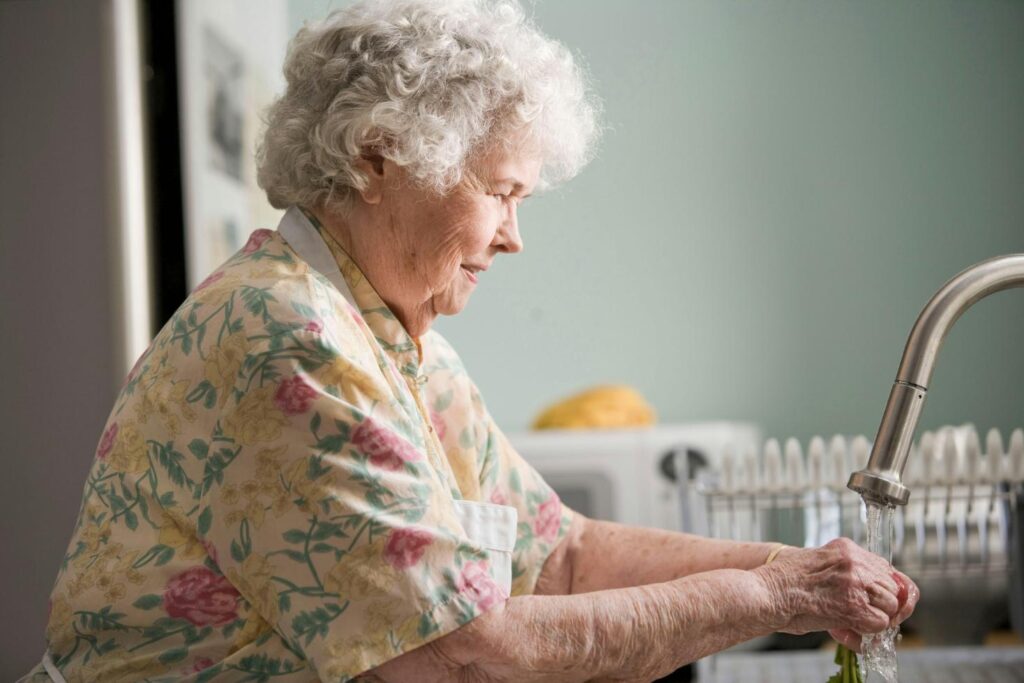
If household chores such as cooking, cleaning, and laundry are becoming tiring or even exhausting, you would likely benefit from residential care. Neglecting these everyday activities will result in an unclean living environment, which can be detrimental to your physical and mental health. In a care home, these chores are taken care of for you, so you can relax or enjoy your hobbies in safe and clean surroundings.
Feelings of Isolation and Loneliness Are Setting In
Living alone can take a serious toll on our mental and physical health. As well as a lack of social interaction, living in an isolated location can pose a significant risk should you have a fall or other accident.
Existing Carers Are Struggling
Initially, many people will be cared for by a loved one at home, but as needs grow this becomes difficult and can even affect the relationship between the carer and cared for. Lots of families feel a sense of relief after making the transition from at-home care to a care home. Residential care offers peace of mind for families and a sense of security and safety for the resident.
What Services Do Residential Care Homes Provide?
Understanding exactly what care homes provide can help you work out what level of care you need, how residential care could help you and which home will be best suited to you.


Personal Care and Medicine Administration
Bathing, washing, dressing, taking medication, using the toilet and moving around are all activities a residential care home can assist with. The compassionate teams who work in residential homes are trained to maintain dignity and promote independence in every aspect of residents’ lives.
Home-cooked, Nutritious Meals
Nutritious hot meals are served daily in a care home, with the option of eating in your private room or in a communal dining room. In many luxury care homes, chefs will adapt the menu based on residents tastes. Having a delicious meal to look forward to is not only great for your physical health, it also brings joy and comfort to every day life.
Regular Social Interaction
Social stimulation is hugely beneficial for our mental health; this is why care home residents are encourage to spend time in common areas with staff, family and other residents. Group activities are not only mentally stimulating, but also combat loneliness and isolation. Activity coordinators put together varied programmes to encourage individuals to continue existing hobbies or try something new. Keeping the mind active in this way helps build confidence and maintain residents' sense of self.
Access to Healthcare and 24-Hour Support
Care home residents benefit from regular GP health check-ups and medication reviews, as well as accessible transport to appointments. Additionally, staff are present all hours of the day for emergencies and entrances are secure and monitored, providing peace of mind for residents and their loved ones.
Person-Centred Care
High-quality care homes will tailor a care plan to your specific needs and preferences; this is called person-centred care. Through complete understanding of all residents' needs, care home staff can provide exactly the right level of holistic support and personalised quality of care to allow you to live a happy, healthy life. Staff get to know residents personally, including their likes, dislikes and personality, alongside care needs. This tailored care plan gives the care home the tools to fully support residents' physical health, emotional wellbeing and overall quality of life.
All-Inclusive Care
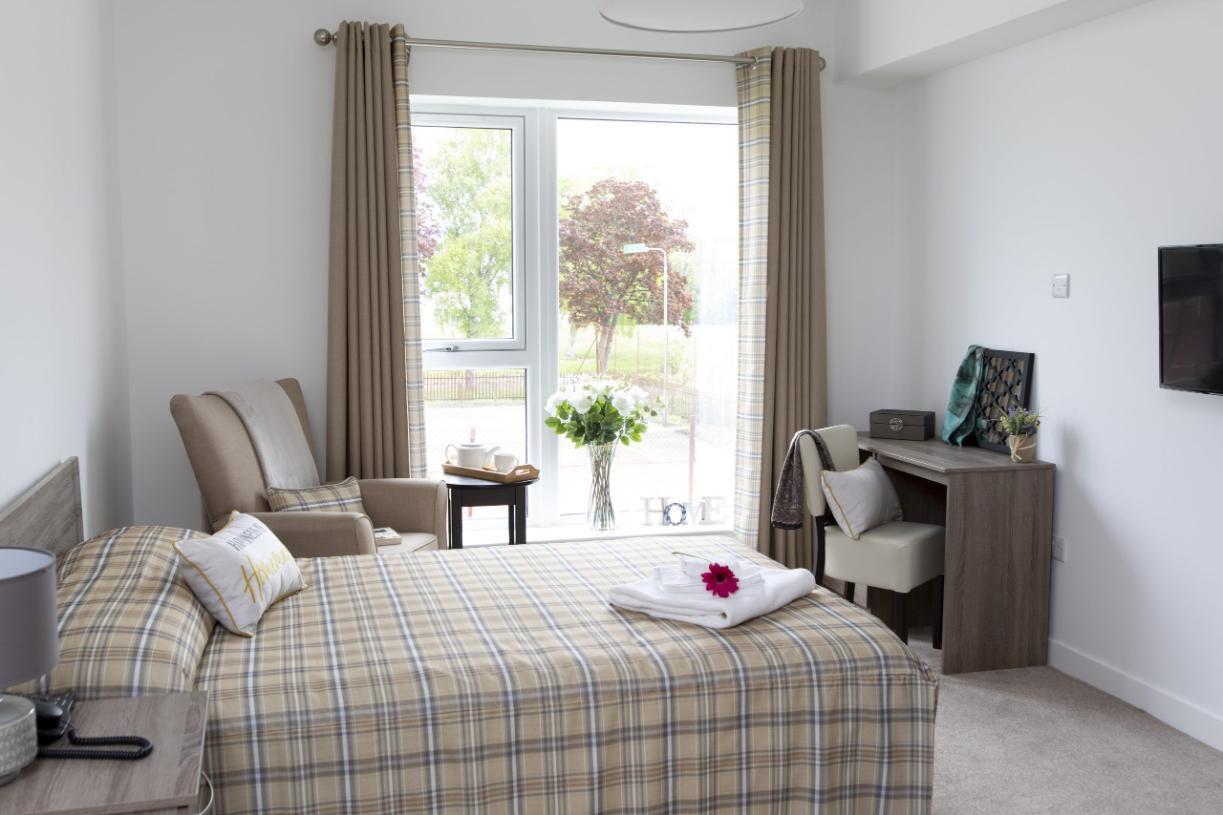
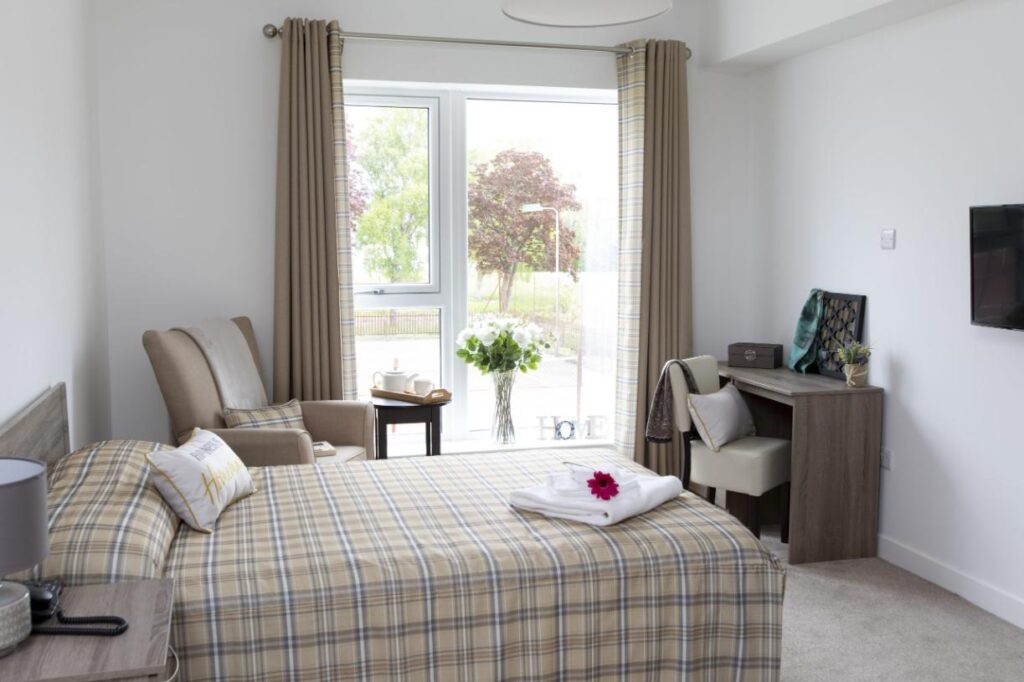
An all-inclusive care home can offer many benefits on top of the necessities, which can make moving into your new home much less daunting. When researching residential care homes, think about what is important to you in terms of facilities and location. For example, if you love spending time outdoors, a care home with a garden and outdoor activities would help it really feel like home. Before making a decision, it’s important to visit a potential new home to see how you could benefit from residential care.
Residential care in Stirling
At Roselea Care Home in Stirling, we are proud to offer luxury facilities such as our cinema room and in-house hair salon alongside our expert person-centred care. If you’re making the important decision to move into a care home, we want to make sure that you feel listened to and supported throughout every single step of your journey. Get in touch with our friendly team today to arrange a home tour.