
When looking for a care home for your loved one with dementia, you want reassurance that they will be safe, understood and truly cared for as an individual, not just as a resident. Understanding what to consider when choosing a care home for a loved one living with dementia can help you feel more confident and supported in making the right choice. This guide explores everything from what dementia care really means to why a person-centred approach is essential, helping you navigate this emotional decision with clarity and compassion.
What Is Dementia?
Dementia is an umbrella term used to describe a group of progressive conditions that affect the brain. Each type of dementia damages brain cells (neurones) in different areas, which can impact a person’s ability to remember, think, and communicate. Doctors use the term “dementia” to describe a set of common symptoms, such as memory loss, confusion and difficulties with speech and understanding, that gradually worsen over time. While dementia can affect people of any age, it is most common in those aged over 65. Roughly 1 in 11 people over 65 have the condition, increasing to 1 in 6 for those over 80. Cases are rising due to an aging population, expected to exceed 1.4 million by 2040.
What Is Dementia Care?
Dementia care is a specialised form of support designed for people living with conditions such as Alzheimer’s disease and other forms of cognitive decline. It focuses on maintaining quality of life while providing structure, reassurance and compassionate support. Unlike general residential care, dementia care takes into account challenges such as memory loss, confusion, communication difficulties and changes in behaviour. Care is delivered in a way that reduces anxiety and helps residents feel safe and understood. High-quality dementia care environments are carefully designed to support wellbeing. This often includes calm surroundings, clear layouts, familiar routines and trained staff who understand how dementia affects each individual differently. In Scotland, the demand for specialist dementia care continues to grow. This reflects a wider need for environments that are not only safe but also supportive of emotional wellbeing and daily comfort.
Key Features Of Good Dementia Care Homes In Scotland
When visiting a dementia care home, it helps to look beyond appearance and focus on how care is actually delivered day to day. A strong dementia care setting should offer consistent routines, as predictability helps reduce confusion and distress. Familiar patterns throughout the day can provide comfort and help residents feel more in control of their environment. Staff training is equally important. Care teams should have specific dementia awareness training so they can respond calmly and appropriately to changing needs or behaviours. This makes a significant difference in how supported and understood residents feel.


The physical environment also plays a key role. Clear signage, safe walking spaces, and calm communal areas can help reduce disorientation. Small design choices can have a big impact on confidence and independence. Equally important is emotional support. Good dementia care homes focus not only on physical safety but also on helping residents feel engaged and connected. This may include sensory activities, music, gentle exercise, or simply spending time talking and reminiscing.
Does The Care Home Use Person Centred Care Plans?
This is one of the most important aspects of high-quality dementia support. Person-centred care is essential because every individual has different needs, experiences, preferences and abilities. It focuses on seeing each resident as a person first, rather than defining them by their diagnosis or grouping them with others, ensuring care is tailored to their unique history, routines and wellbeing.
It recognises that even with dementia, each person continues to have individual likes, dislikes, memories and emotional needs. By taking these into account, person-centred care helps preserve identity, dignity, and a sense of self. For someone living with dementia, this approach can make a meaningful difference, helping them feel more confident, settled, and supported in their day-to-day life. Families often notice that when care is personalised, their loved one appears calmer and more content. Familiar routines, meaningful conversations, and tailored activities can all help create a sense of reassurance. In well-run care homes, families are actively involved in care planning. This partnership ensures that staff have a full understanding of the person’s background, which helps maintain consistency and familiarity.


How Dementia Care Supports Emotional Wellbeing
Emotional wellbeing is just as important as physical care for people living with dementia. Feelings of confusion or frustration can often be reduced when residents feel understood and supported. Meaningful engagement is a key part of this. Activities are not just about passing time, they are about connection and stimulation. This might include listening to familiar music, looking through photo albums, gardening, or simple group activities that encourage interaction. Social engagement is also extremely valuable. Studies consistently show that maintaining social contact can improve mood and help reduce feelings of isolation. Even small moments of connection, such as shared conversation or laughter, can have a positive impact. In addition, a calm and supportive environment helps reduce anxiety. Consistency in staff, routines, and surroundings can make everyday life feel more manageable and less confusing.
Supporting Families Through The Dementia Care Journey
Choosing dementia care is not only a decision for the individual but also for their family. It is often an emotional process filled with uncertainty and questions. Good care homes recognise this and provide support for families as well as residents. This includes clear communication, regular updates, and opportunities to stay involved in daily life. Families should feel confident that they can ask questions, visit regularly, and remain part of their loved one’s care journey (including care plans). This ongoing connection helps build trust and provides reassurance that their relative is in safe hands.
Useful Support Links For Families:
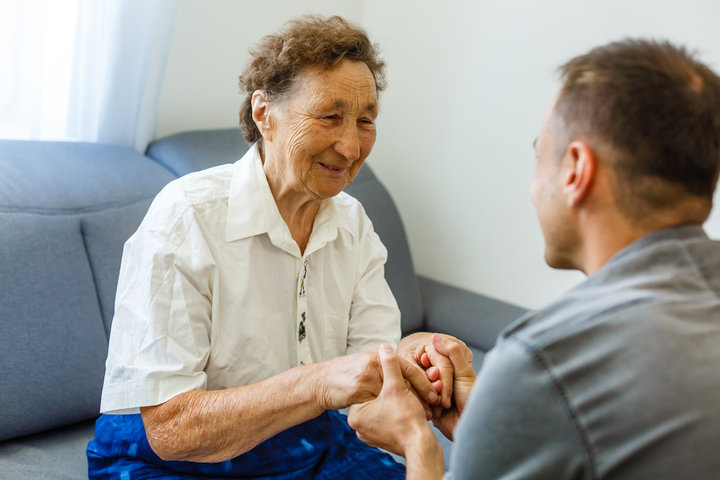

What To Look For When Visiting A Dementia Care Home
Visiting a care home in person can provide valuable insight that goes beyond brochures or websites. It allows families to see how residents are treated and how the environment feels in practice. It can be helpful to observe how staff interact with residents. Do they speak calmly and respectfully? Do they take time to listen and engage? These small interactions often reveal the true culture of a care home.
It is also worth noticing how residents appear. Do they look comfortable and relaxed? Are they engaged in activities or social interaction? A positive atmosphere is often easy to sense. Families may also want to ask about staff training, daily routines, and how personal preferences are incorporated into care. These questions can help build a clearer picture of what life would be like for their loved one.
Finding The Right Dementia Care With Confidence
Choosing a dementia care home is one of the most important decisions a family can make. It requires trust, reassurance and a clear understanding of what good care looks like. The right dementia care home will not only provide safety and support but will also focus on dignity, comfort, and emotional wellbeing. A person centred approach ensures that each resident is treated as an individual, helping them maintain identity and quality of life. While the decision can feel emotional, families across Scotland can take comfort in knowing that high-quality dementia care exists to support both residents and their loved ones. With the right environment, it is possible to create a sense of stability, connection, and even moments of joy in everyday life.
Find Comfort, Care & Reassurance For Your Loved One
Choosing a care home is a big decision, and we are here to make it easier. Speak to our caring team today or arrange a visit to discover how we can support your loved one with dignity, compassion and respect.